By AbortionFinder | Updated January 20, 2023
Tracking the fluctuating landscape of abortion access before and after Dobbs v. Jackson Women’s Health Organization
Abortion access was limited in the United States even before June of 2022, when the U.S. Supreme Court overturned Roe v. Wade with their decision in Dobbs v. Jackson Women’s Health Organization. But following the Dobbs decision, many states began enforcing laws that severely restricted access to abortion or even banned abortion entirely. In the months since Roe v. Wade was overturned, abortion access across the U.S. has become a chaotic patchwork, and wide swaths of the country have been left without abortion providers in their state.
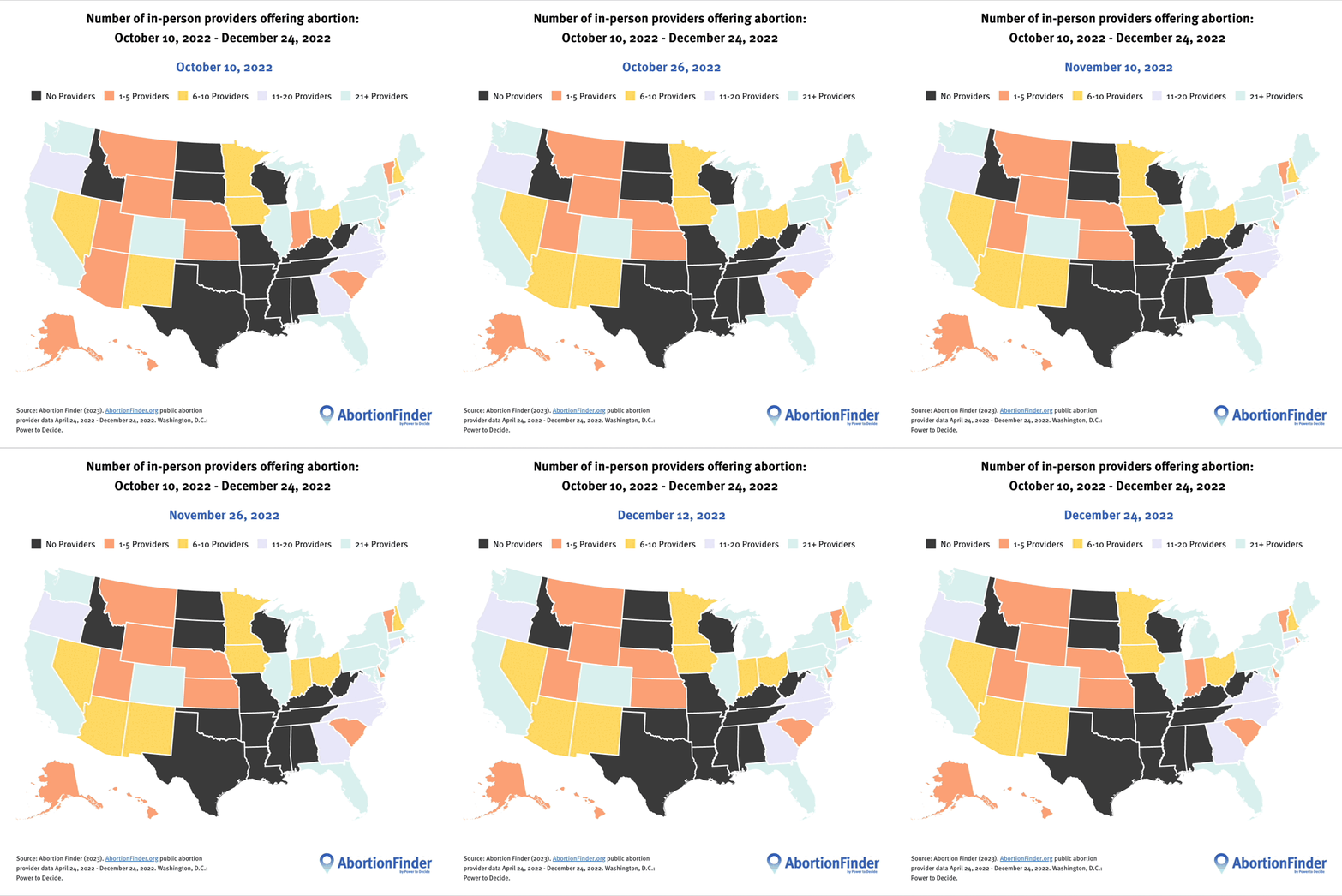
These maps illustrate changes in the abortion access landscape from late April (right before the leak of the Supreme Court opinion overturning Roe v. Wade) to six months after Roe was overturned. The maps look at access in two ways: 1) how many in-person providers there were in each state and 2) the latest stage of pregnancy at which at least one provider in each state offered abortion care (which is often different than the state legal limit).
Timeline since Roe v. Wade overturned
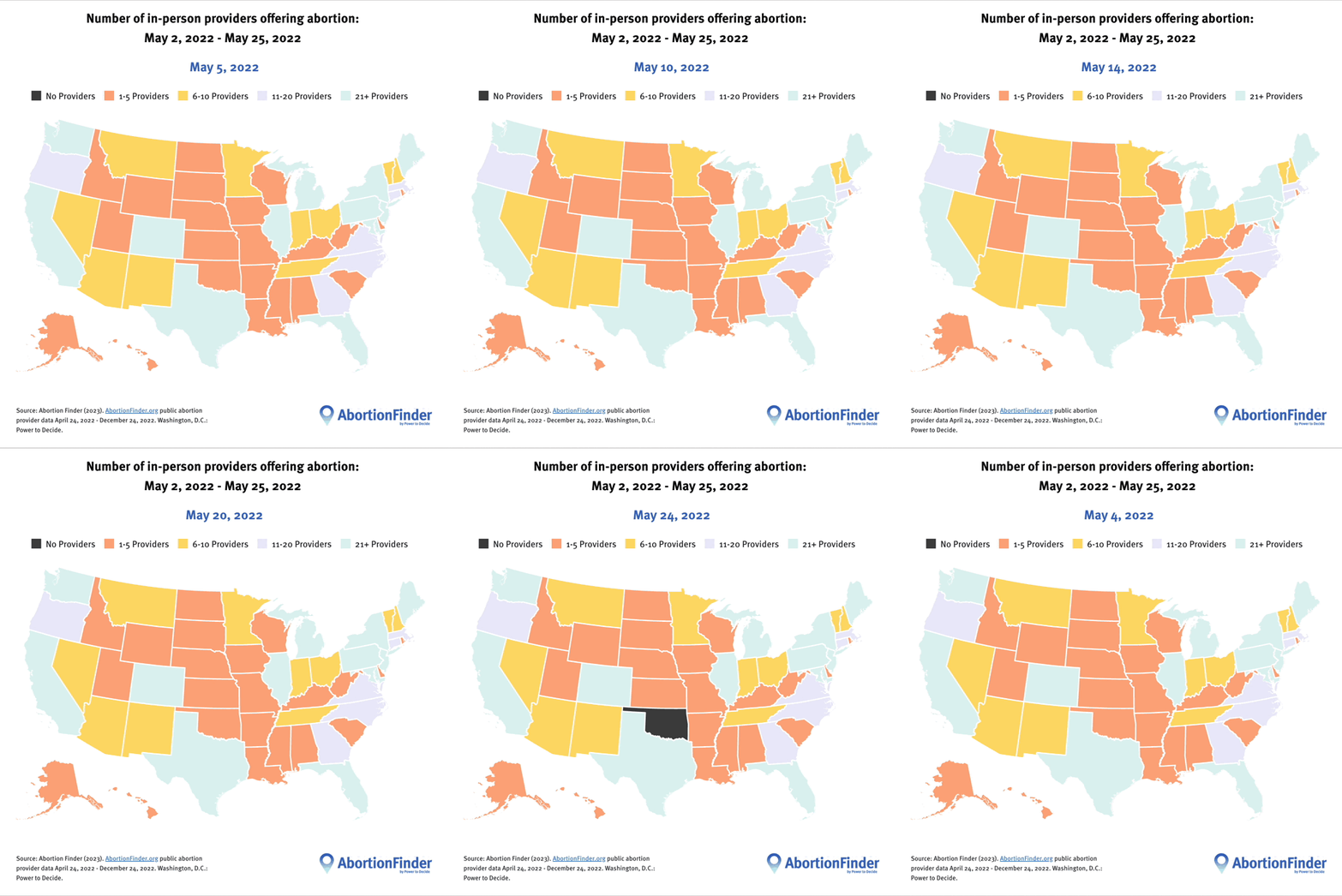
May 2, 2022: A draft of the U.S. Supreme Court decision for Dobbs v. Jackson Women’s Health is leaked
On May 2, 2022, a draft majority opinion from the U.S. Supreme Court was leaked in the case of Dobbs v. Jackson Women’s Health Organization. The leaked opinion indicated that the Supreme Court would use the Dobbs decision to overturn Roe v. Wade. Many states had so-called “trigger” laws on the books that would ban abortion if Roe was overturned or pre-Roe abortion bans that had never been repealed, and began preparing to enforce these laws if Roe was overturned.
June 24, 2022: The U.S. Supreme Court overturns Roe v. Wade
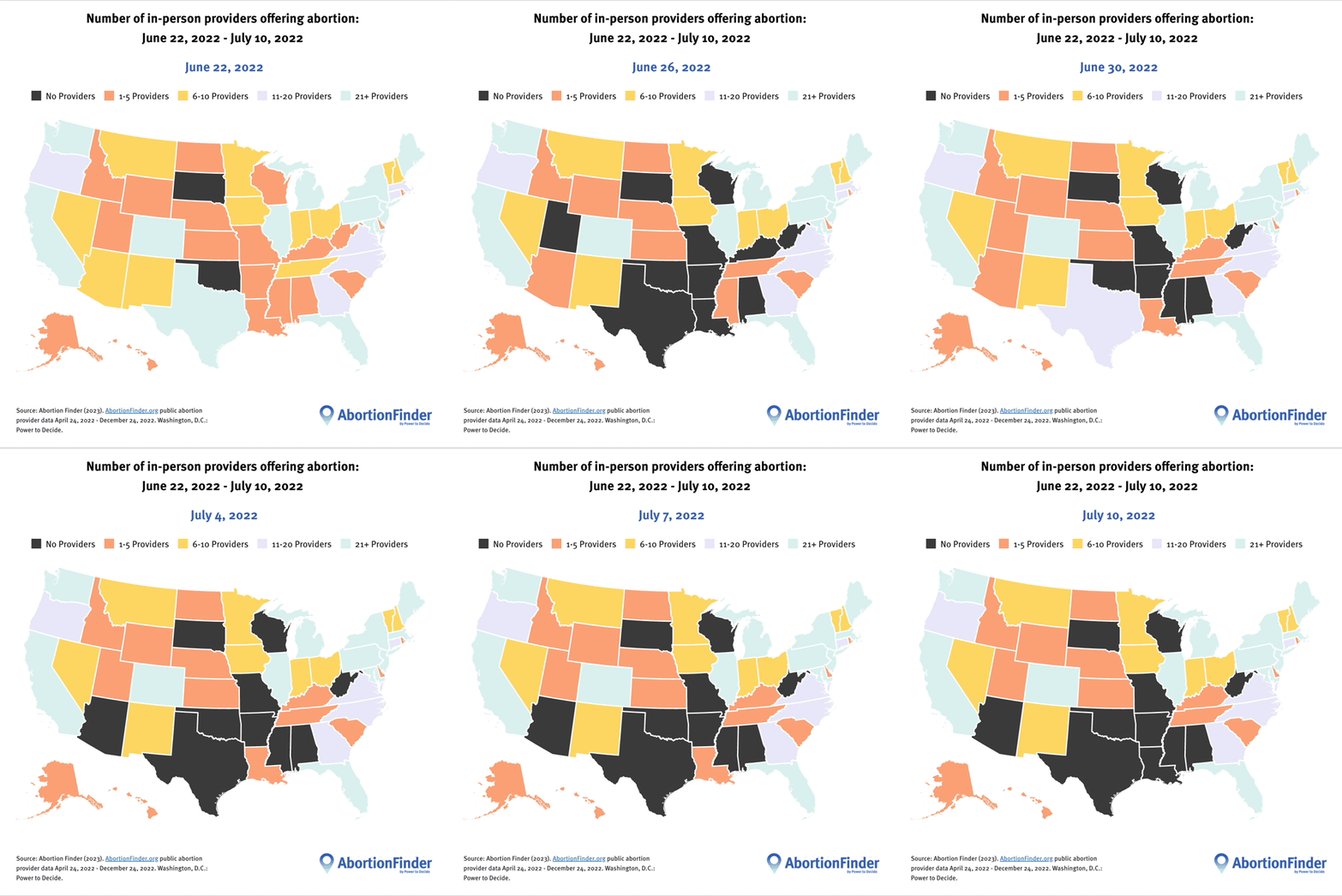
On June 24, 2022, the U.S. Supreme Court’s decision in Dobbs v. Jackson Women’s Health Organization overturned Roe v. Wade, which established the constitutional right to an abortion. Providers in Oklahoma and South Dakota had stopped offering abortion care after the leak, and without Roe v. Wade in place, 9 more states were quickly without providers in-state. In addition, providers in Ohio were limited to offering abortion care only to those who were around 6 weeks pregnant or less.
July 24, 2022: One month after the U.S. Supreme Court overturns Roe v. Wade
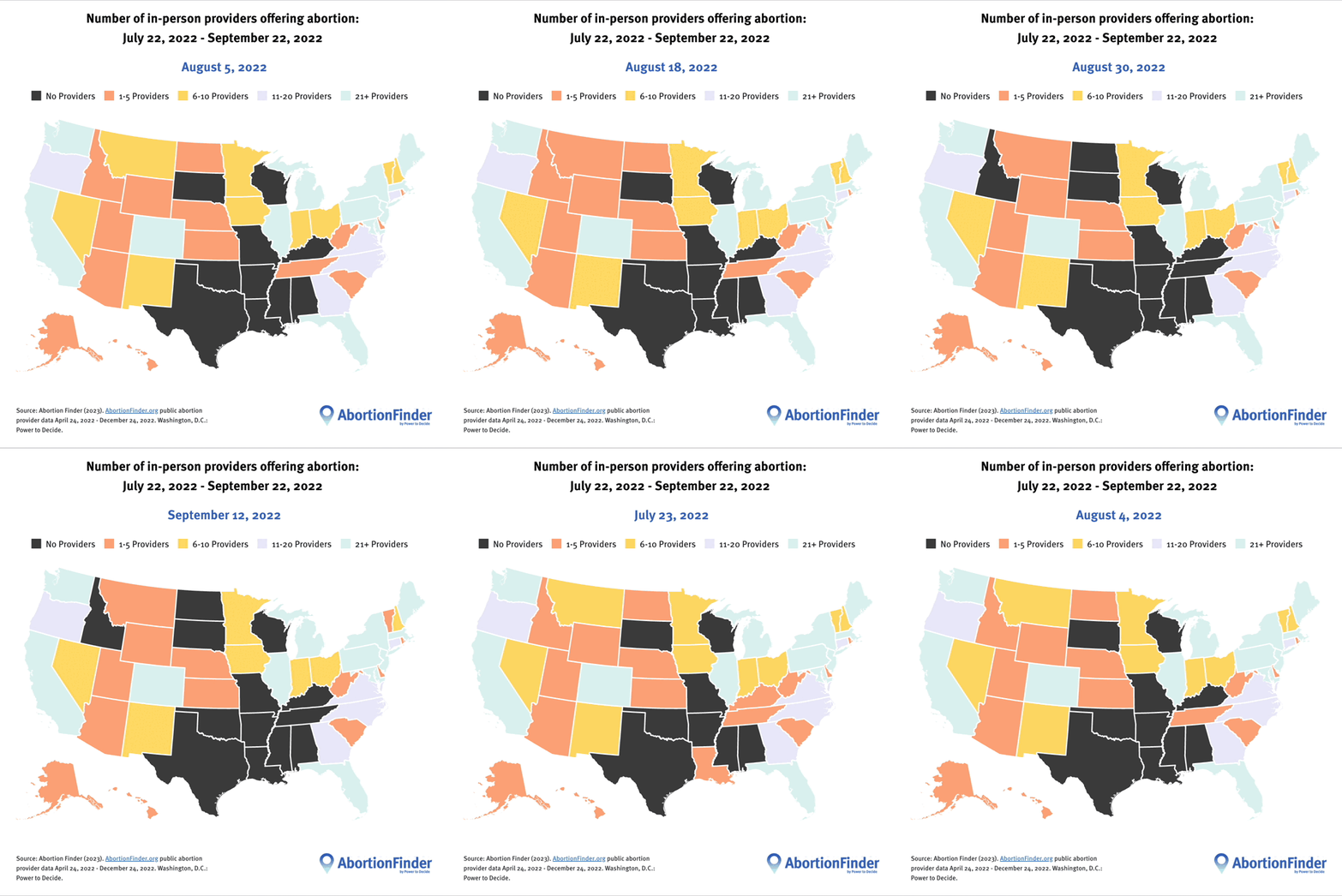
In the month following the overturn of Roe v. Wade, the enforcement of abortion laws in many states changed frequently and rapidly, leaving abortion seekers and providers in those states navigating chaos and confusion. As of July 24, 1 month after the Dobbs decision, 8 states were without any providers in-state, providers in 4 states were limited to offering abortion care only to those who were around 6 weeks pregnant or less, and providers in 2 additional states were limited to providing abortion care only up to 15 weeks of pregnancy.
December 24, 2022: Six months after the U.S. Supreme Court overturns Roe v. Wade
As of 6 months after Roe v. Wade was overturned, 14 states had no providers, and providers in Georgia were limited to offering abortion care only to those around 6 weeks pregnant or less. Six more states didn’t have a provider offering abortion past 16 weeks of pregnancy. Many abortion seekers in those states were forced to travel out of state for care, an option that can be costly and difficult.